Machine translated · For reference only
Your Game Isn't Finished Yet—How Can You Get Players to Notice You? A Guide to Building a Twitter Presence for Independent Developers
Russell
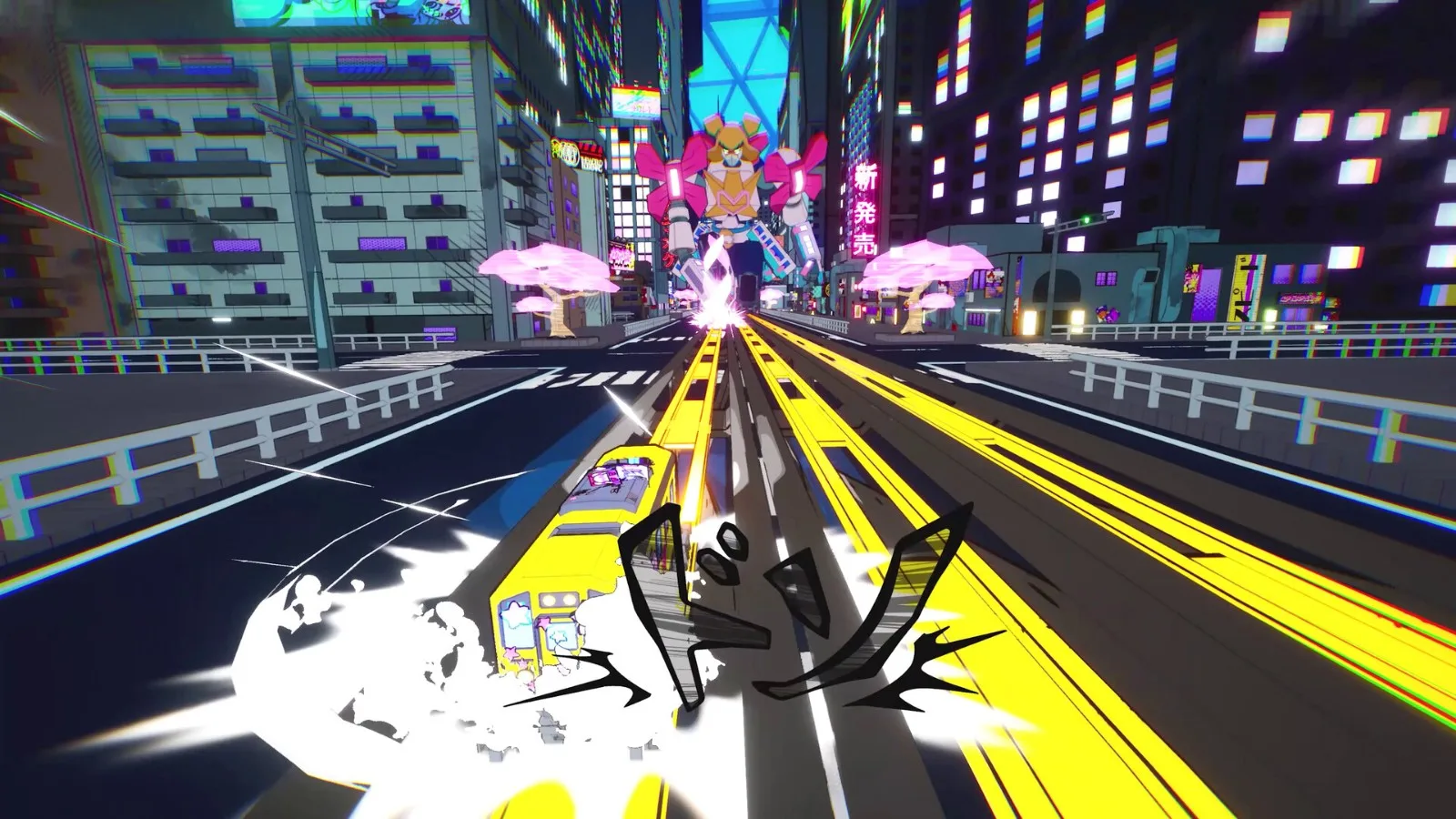
Over the past couple of years, there have been more and more indie games, and with AI games on the rise, it’s now (and has always been) more important to let players know about the game you’re developing than it is to actually make the game itself. As one of my favorite content creators said, “Sales capabilities often determine the upper limit of your product's potential.". Today, I’d like to talk about game marketing, promotion, and operations based on my own experience. Of course, the operational mechanisms vary from platform to platform. Since most of our games are aimed at overseas markets, I’ll use Twitter as an example today to share some of my personal insights."
1. Before launching your account, clearly define your target audience, then set up your profile page.
If you're planning to promote your game on Twitter—now known as X—the first step is to figure out who you want to reach.
“People who like indie games” is too broad a category. Players who enjoy cooperative horror games may have different interests—in terms of visuals, the topics they engage with, and the accounts they follow—than those who prefer slow-paced farming sims. Start by identifying the game genre, target audience, primary language, and region. Then, look for similar games and their player communities—this will give you a clear direction for creating content, scheduling posts, and participating in discussions.
SureStart by describing your game in one sentence: Who the player takes on the role of, what the main activities are, and what makes the experience unique.. For example, “a cooperative horror game where you and your friends salvage furniture in an abandoned hotel while evading guests” provides a fairly clear mental image. For someone who just came across your post, this is easier to understand than a string of genre tags.
Next, decide what role you’ll take on. Individual developers are well-suited to sharing their creative process and personal thoughts; game accounts are ideal for building a brand around characters and works; and studio accounts make it easier to take on various projects over the long term. For teams with limited time, it’s easier to stick with it if you focus on maintaining one main account first and then expand as needed.
The homepage needs to make it clear to first-time visitors right away: who you are, what games you offer, and where they can go to learn more.
Choose a profile picture that remains easily recognizable even when scaled down—it could be an image of the developer, the studio logo, or a game character. The banner should showcase the game’s most iconic screenshot. The description should briefly outline the game’s key selling points and development status, and provide links to Steam or other major platforms. When targeting international players, prioritize clarity in your English writing; there’s no need to overuse adjectives just to sound professional.
A pinned post can provide a more comprehensive introduction. Include an engaging gameplay video, along with the game’s title, core experience, and current status, and conclude with a clear call to action: add it to your wishlist, download the demo, or follow future updates. Even before the store page goes live, you can let players know what content will be shared next. As the development stage changes, update the pinned content promptly to avoid players seeing outdated testing schedules when they visit the homepage.
At the same time, start compiling a watchlist: developers of similar games, players who frequently discuss these types of games, relevant streamers, media outlets, and game recommendation accounts. Examining their specific content and comment sections will be more helpful than simply analyzing the follower counts of a few major accounts.
II. Understanding the Content Distribution Mechanism and Account Weighting
When managing a Twitter account, you’ll often hear terms like “account weight,” “account nurturing,” and “tweet promotion.” To apply these concepts to your actual operations, you first need to understand how content reaches users.
The "For You" feed on X combines content from accounts the user follows with recommended content from accounts the user does not yet follow. The publicly available algorithm description breaks this process down into steps such as identifying candidate content, ranking, and filtering. The ranking model uses the user’s recent interaction history to predict the likelihood of the user engaging with different types of content in various ways, and then determines the display order accordingly.
This also explains why new accounts still have a chance of being seen by strangers: content from accounts you don’t follow is already part of the recommended feed. When managing your account, you need to consider what kind of people would be interested in this clip and whether they’ll have a reason to keep watching, reply, or share it after seeing it.
Content feedback and account status should be considered separately
The "weight" we commonly refer to can be broken down into several more manageable questions: Which users is the content relevant to? What kind of relationship network has the account established? And do the account and posts meet the criteria for being recommended?
X's official guidelines state that followings, interactions, media viewed, and popular content within a user's network may all be factored into recommendations; however, some accounts that violate the rules or are deemed to be engaging in spam behavior may lose their eligibility for recommendations.
Accordingly,Day-to-day operations can be advanced through two approaches: content and relationships.. Continuously share content related to your game to let visitors know why this account is worth following; at the same time, participate in discussions with relevant players and developers to give more of the right people the chance to get to know you.
We should approach the so-called “formula” that equates “one reply to a certain number of likes” with caution. The official algorithm explanation specifically clarifies that certain ranking weights affect the model’s prediction of behavioral probabilities and cannot be directly converted into a fixed ratio between interaction metrics. Simply knowing that replies and views are important is sufficient to help us design content; there is no need to obsess over meeting specific metrics listed in a weighting table circulating online.
How to View "Blue Label" Fans
In my day-to-day operations, I’ll keep an eye out for genuine, active “blue-badge” users among my followers, and I’ll also proactively reach out to relevant developers in the hope of gradually increasing the proportion of these types of followers.
The premise here is relevance: the other person is already developing, playing, or discussing games. A developer who is willing to engage with the content and participate in discussions may provide feedback or help expose the work to their community.
III. Daily Operations: Content Should Be Integrated Into Players' Daily Routines
As we all know, the most essential aspect of running a social media account is consistency. That’s why I recommend starting with a schedule you can stick to over the long term: post daily, publish at fixed times based on your target audience’s time zone, respond to comments frequently, share videos often, and keep your daily posts lighthearted.
Post daily according to the target players' schedules
If you're primarily targeting North American players, you should take their daily routines into account; if you're targeting players in Japan or Europe, you should adjust accordingly. Since there are time zone differences even within regions, you can start by selecting a peak activity period in the region where your primary audience is located, then make adjustments based on feedback over a period of time.
Posting at a set time helps you develop a routine and makes it easier to compare content under similar conditions. It doesn’t mean the platform will reward you with extra traffic just because you post on time. What’s important is to post consistently, build up your content, and gradually discover what interests your target audience.
Posting daily doesn’t mean you have to introduce new features every day. A single mechanism can capture different scenarios; a single character can demonstrate various actions and expressions; and a single design adjustment can be used to show a before-and-after comparison. Save assets as you go during development, then organize a batch of videos and copy each week. That way, you won’t have to scramble to find them at the last minute when it’s time to publish. I highly recommend saving as many of the concept art pieces and sketches created by your artists for game development as possible, as well as any jokes or inside references from your project team chat that are closely related to the project itself.
Post more replies and actively participate in related discussions
Respond to questions in your own comments section and engage with other developers and players under their posts—this is actually very important. Interaction can sometimes have a surprising effect in helping you reach a wider audience and bring a large number of followers to your account.
If someone asks whether the game supports online play, clearly explain your current plans; if someone points out that the graphics are hard to make out, ask which part they’re referring to; if someone picks up on your joke, keep the conversation going. These interactions help you understand your players and show visitors that there’s a person behind the account who’s willing to engage with them.
When interacting with other developers, try to be as specific as possible. If you see a great character animation, mention which move you like best; if you notice someone else is facing a problem you’re familiar with, share your experience in handling it. Rather than just writing “That’s great” every time, specific responses are more likely to spark a meaningful conversation.
By maintaining this kind of interaction, you’ll gradually get to know developers with similar themes, styles, or target audiences, and you’ll also have the opportunity to attract more genuine, active Blue Badge users. However, don’t turn this into a task of mutually liking and sharing each other’s posts, and definitely don’t copy your game link under every trending post. Only relevant, natural interaction offers room for continued growth.
Milestone Announcements Should Be Serious; Regular Content Can Be More Playful and Full of In-Jokes
Store page launches, demo releases, release dates, and major updates call for a clear, formal tone. Players need to know exactly when, on which platforms, how to participate, and where to find the links—so providing complete information is paramount.
On a day-to-day basis, you can take a more relaxed approach. Minor incidents during development, characters’ misfortunes, or an unexpected bug can all serve as material for daily content. It’s best if the content naturally ties in with the game’s theme and visuals, so that viewers walk away remembering something about the game.
The same feature can look very different depending on the perspective from which it’s presented. A formal introduction might go something like this:
This update introduces enemy detour behavior, adding more variety to chase sequences.
Developers might say something like this:
I just wanted to make it a little smarter. Now it knows to wait for me at the exit.
Now let's switch to the character's perspective:
The developer says it's safe as long as the door is closed. I suggest he try it himself.
These lines work well with a chase video. The first one is useful for announcing updates, while the latter two are better suited as everyday content that’s likely to elicit a response. The specific tone you choose should depend on the game’s vibe and whether you can express yourself naturally—there’s no need to force humor by jumping on every trending topic.
Building Character Personality from the Perspectives of the Developer and the Character
From a developer's perspective, you can share the decisions made during the development process: why a feature was removed, why a certain action was changed, what you originally intended to do, and what unexpected issues arose in the end. It’s best to accompany this content with a result that players can understand, so they can easily join the discussion.
A character-based perspective allows game settings to be integrated into the player’s account. Shop clerks in management games can complain about strange customers, characters in horror games can vent about their living conditions, and small animals in adventure games can share their thoughts on new maps.
By consistently using these perspectives, players will gradually become familiar with the character’s personality and come to understand what to expect from this account on a regular basis. When there is a genuine need to announce important news, clearly specify the date, platform, and how to participate.
Post multiple videos to showcase the most interesting parts right away
When promoting a game, I prioritize finding content that’s suitable for capturing on video. Action sequences, control feedback, physics-based interactions, and character performances usually need to be shown in motion to be fully understood.
A gameplay video can focus on just one thing: a narrow escape, a funny chain reaction, or a move you’ve just perfected. Make sure the most compelling footage appears as early as possible in the video so that even people who haven’t played the game can understand what’s happening. If background information is needed, simply provide a brief text description.
For example, “We optimized the interaction system today” is too abstract; a gameplay clip showing a player blocking a door with a chair while enemies enter from the other side clearly illustrates the process and outcome. Paired with the caption “Furniture functionality test failed,” this already makes for a great daily tweet.
Different games require different lengths and pacing. Try out different openings for the same footage, see what viewers understand and what interests them based on the comments, and then decide how to edit it next time. Videos don’t have to come entirely from official trailers—clear, entertaining gameplay clips are just as worth sharing.
Here's the link to the game for anyone who's interested
Everyday content can be casual, but make sure the homepage and pinned posts make it easy to find the game. When announcing major milestones, clearly include links to the Steam page, the demo, or the beta access page.
When reviewing feedback, in addition to counting views and likes, also check to see if anyone has asked about the game’s title, platform, release date, or whether a demo is available. These specific questions can help you determine whether the person has developed a deeper interest in the game.
4. Use Grok Bot to Help Find Operational Information
Here’s another handy tip for day-to-day operations: let Grok help you find accounts, discover discussions, understand memes, and organize topic ideas. This can save you time—after all, during the development process, your top priority should be focusing your energy on improving the game’s quality!
Find accounts worth following and interacting with
Instead of asking, “Can you recommend some indie game bloggers?”, it’s easier to get useful results if you specify your needs:
Please search for accounts of English-speaking indie game developers who have been active in the last 30 days, giving priority to those working on horror games. List the account links, game genres, recent posts, and specific posts worth referencing. Please note any information that cannot be confirmed; do not make anything up.
Once you have the list, go to their homepage to check whether they’re still active and whether their content is relevant to your game before deciding whether to follow them or join the discussion. You can also ask them to recommend accounts geared toward players to avoid getting results that are all focused on the development and technology community.
Find out what your target players are interested in right now
When preparing a topic, you can have Grok search for public discussions by type and time:
Please search for public discussions among English-speaking players over the past seven days regarding cooperative horror games, and compile the expectations, complaints, and interesting scenarios they mention. For each entry, provide a link to the original post and the date, and distinguish between player feedback and developer marketing.
If your search reveals that people are frequently discussing friendly fire, and your game happens to feature a similar mechanic, you might consider recording a clip of an actual in-game scenario. Whether it’s appropriate to post it still depends on whether there’s a natural connection between the topic and the game.
Understand the reference before deciding how to respond
Some memes in overseas communities are hard to understand through literal, sentence-by-sentence translation alone—especially for developers in China, since we aren’t very familiar with certain aspects of overseas culture. So, the first step is to truly understand what they’re talking about. I usually just send the post link to Grok and ask for context:
Please explain the reference and context behind this tweet, and provide sources to support your explanation. My game is a hotel management simulation—would it be appropriate to respond from the perspective of a staff member? If the connection is far-fetched, please explain why.
If you write your reply after you’ve understood the post, it’ll be easier to maintain the account’s tone. If you can’t find any background information, just skip it for now—there’s no need to force yourself to participate.
Organize the information into daily actionable topics
With a reference account, recent discussions, and your own materials, you can also have Grok help you plan your content for the week:
My game is [One-Sentence Description]. Here are the assets available this week: [Asset List]. Please use the topics from the original post above as a reference to propose seven ideas for daily tweets, specifying whether they’re from the developer’s or character’s perspective, the videos required, and the copywriting direction. Do not invent new features; mark milestone announcements separately.
Finally, select and edit the content yourself, publish it according to your target audience’s time zone, and continue to follow up on comments. Each week, note a few key questions: Which screenshots sparked discussions? Which phrases prompted people to ask about the game? Which posts brought in new friends worth connecting with? Use this specific feedback to prepare your next batch of content.
These are just a few of my own insights, which I’ve come to after a lot of trial and error recently. Based on my observations, it takes about a month for a new account to gradually get into the swing of things. After a month, your account’s traffic, replies, and likes will start to increase. From there, all you need to do is keep following the same process consistently.
评论
暂无评论