Machine translated · For reference only
Not Even on Sale Yet, and Already 150,000 on the Wish List! What Can Independent Studios Learn from "The Witch's Bakery" Marketing Strategy?
Russell · 文化与观点
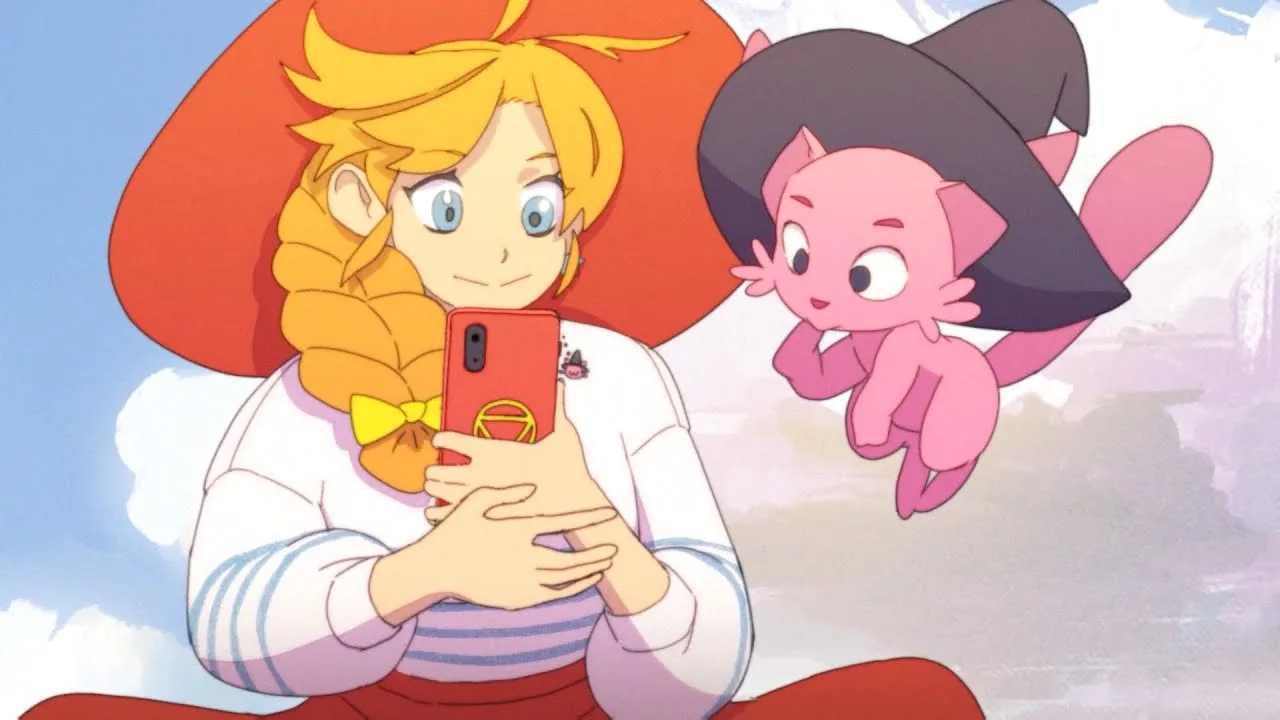
According to the data I recorded while compiling this article, *The Witch’s Bakery* hasn’t even been released yet, but it already has over 150,000 wishlist entries. As someone who’s also developing a game in the same genre, this achievement is well worth studying. So, I took a closer look at Sunny Lab’s marketing strategies to see what they did—beyond the game’s inherent appeal—that could serve as a reference for small studios.
For games that emphasize a warm atmosphere and compelling storytelling, the art style directly influences players’ first impressions. *The Witch’s Bakery* truly excels in this regard, but this article focuses on marketing and promotion. Of course, the two cannot be completely separated: the shareability of the game’s character-driven content is also closely tied to its art and character design.
Sunny Lab, the developer of *The Witch’s Bakery*, was founded in 2022. [3] When I compiled this article, the number of followers on their X account was 52.1k. Based on team interviews and early posts, social media is a notable part of their promotional strategy.
In an interview with Game Dev Journey, the team mentioned that they started managing their social media accounts very early on—even before the studio was officially established. As the team gradually came together, they continued to share updates on the game’s development and the challenges they faced, as well as sketching character doodles to showcase the characters’ personalities and their interactions with one another.[1]
In other words, they didn’t wait until the game was nearly finished before they began sharing their work publicly. During this process, a single post responding to a popular meme from *The Baa Baa Apocalypse* caused the account’s follower count to jump from about 1,000 to approximately 30,000 in just a few days. [1]
Of course, this growth involved some element of opportunity and luck, but it’s still worth a closer look. It’s also important to distinguish between the two: while the growth from 1,000 to 30,000 has clear, documented events and the team’s own accounts, the specific sources of the initial 1,000 followers have not been disclosed. We can’t use their later viral success to explain how they built their following in the first place.
What did that image—the one that made the account go viral—do right?
On November 28, 2023, the “Meimei Apocalypse” account posted a joke, stating that if it reached 300,000 followers by the end of the year, it would add sexual content to the game. Two days later, Sunny Lab responded to the topic by posting “For 50k............🤭,” accompanied by a humorous image showing one character trying to take off their clothes for promotional purposes but being stopped by another character. [2]
The team later stated in an interview that their response to this viral meme—a doodle—caused the account’s follower count to jump from 1,000 to 30,000 in just a few days. [1] It’s important to note that the 50,000 mentioned in the post was a joke goal, not an actual number of followers achieved. [2]
If we look only at the topic, it’s easy to attribute this growth to “effectively skirting the rules.” But I think that such an interpretation alone overlooks aspects that are even more worth learning from.
Sunny Lab responded by sayingA topic that has already sparked a great deal of discussion...the audience doesn't need to reinterpret the context. Nor did they leave just a single comment,Instead, he placed his own character within the context : One character wants to promote the game in an exaggerated way, while the other tries to stop her. Even if you don't know the game, you can still understand this interaction.
This image not only ties into a trending topic but also illustrates the relationships among the characters. New viewers don’t see it as a repost of a trending topic unrelated to the project, but rather as a demonstration of the kind of content this team is capable of creating.
However, this is just my analysis of the content. The team hasn’t disclosed how many people followed the account because of the character and how many simply liked the joke, so we can’t attribute the growth entirely to any one factor.
ButIt’s worth noting that you should respond to topics from your own perspective, rather than mechanically copying phrases like “I’ll do X once I reach Y number of followers.” Trends come and go, and reusing the same joke over and over again may not be effective. More importantly, you need to consider whether the content is suitable for your game and whether the audience it attracts is likely to remain interested in the project.
Once you've gained new followers, be sure to let your new audience know what this game is about.
The day after they went viral, Sunny Lab posted a welcome message. In addition to thanking their new followers, they explained that they are an independent game studio currently developing a 2D adventure game about a witch who runs a bakery in Paris, and that the account would share artwork, in-development content, and character sketches. [2]
I’m very concerned about this step. The attention generated by trending topics doesn’t necessarily mean people understand the game. If new viewers only remember a funny meme but don’t know what project the account is associated with, they may lose interest once the content returns to its original theme.
This description clearly explains the game's concept and tells new viewers what updates are coming. [2] Anyone who sees the meme won't have to scroll far to figure out which game this account is related to.
Once a post has drawn attention to an account, there still needs to be content that shows why it’s worth continuing to follow.
However, we shouldn’t overstate the results as confirmed purchase conversions. The team hasn’t disclosed how many wishlists or sales the new followers generated. What we can confirm is that they didn’t let the buzz end with just a meme; instead, they promptly introduced their studio and projects. [1][2]
I think small teams can prepare this content in advance, rather than waiting until a post goes viral to start thinking about it.. The homepage description, the pinned introduction, available store links, and a few pieces of content that showcase the game can all help new visitors understand the project more quickly. If there isn’t a store page yet, you can still clearly explain what the project is and what will be released in the future—there’s no need to rush the launch just to include a link.
Not only do developers introduce the game, but they also let the characters speak directly.
I also noticed that some of their posts don't explain the game from a developer's perspective, but ratherHave the character speak directly...speak in the character’s own voice. This echoes the character sketches, personality displays, and character interactions mentioned in the interview. [1] To me, this is a more valuable lesson than simply “posting more character art.”
When a developer introduces a character, they typically explain who she is, what her abilities are, and what role she plays in the story; when writing from the character’s own perspective, however, you can start with what she’s currently experiencing. What trouble she’s run into today, what she thinks of another character, or how she responds to the topic at hand—all of these can serve as content. Readers don’t need to be familiar with the full backstory to get to know her through her speech and reactions.
Having the characters speak directly gives players a chance to get to know them before the game is released, rather than just telling players who the characters are. You don’t have to include all of a character’s personality traits in their introduction; you can also gradually reveal them through everyday dialogue, interactions, and little stories. This is actually what we’ve been doing lately, and we’ve found it to be quite effective! You should give it a try, too.
I think this works especially well for games where character relationships and the storyline are already key selling points. Players first develop an interest in the characters, and by the time they start playing the game, they already feel a sense of familiarity.
Of course, both tones can coexist: the character can share her experiences and engage with the audience, while the developers handle details about the demo, updates, and release. It’s also not necessary to write every post as dialogue from the character’s perspective. If you simply rewrite a development announcement in the character’s voice without reflecting her personality, it will still read like an advertisement.
The game concept has to be clear enough for others to be able to explain it.
The premise of *The Witch's Bakery* is straightforward: a witch runs a bakery in modern-day Paris and uses magical bread to heal people's emotional wounds. [3]
This description seems simple, but it’s very vivid, and vivid imagery is the most important element in marketing and promotion,Allow players to imagine what kind of game it is based on your description, even before they’ve seen your game’s store page.. For example, in this case, the characters, setting, and actions are all clearly defined, and the phrase “healing emotions with bread” highlights how it differs from typical bakery management games.
In the interview, the team also explained the origins of this concept. They wanted to explore emotions and vulnerability, and they love the world of magic, food, and the city where they live; ultimately, they incorporated all these elements into a single project.[1]
In their crowdfunding campaign, the team also cited *Kiki’s Delivery Service*, *Persona 5*, and Paris as sources of inspiration. GamesRadar directly incorporated these references into the headline of its article and highlighted elements such as running a bakery by day and exploring the city and building relationships by night. [4]
Of course, familiar titles can help players understand the game’s atmosphere and gameplay, but I don’t think the introduction should stop at simply saying, “It’s like such-and-such game.” The audience also needs to know what makes the new project unique. *The Witch’s Bakery* features both a clear, original concept and easily understandable points of reference; it’s the combination of the two that makes the introduction more concrete.
Crowdfunding has become a new trend, and media materials have reduced the cost of introducing games.
A September 2024 report by GamesRadar noted that *The Witch's Bakery* reached its initial funding goal within 48 hours of launching on Kickstarter, with nearly 2,000 backers at that time. [4]
This provides the media with yet another reason to cover the game: in addition to introducing the project itself, they can also discuss its crowdfunding progress.
In fact, crowdfunding is also a very important promotional opportunity. While previous content introduces players to the characters and the game, crowdfunding offers a clear way to show support while also providing a separate conversion channel.
The Sunny Lab official website also features a dedicated press resources page, which provides game overviews, team profiles, and facts and figures..[3] While this kind of preparation isn’t as eye-catching as viral posts, it’s very practical. When journalists or content creators are already interested in a game, their ability to easily find accurate descriptions, screenshots, and logos can significantly impact their efficiency in producing content.
I think this kind of preparation is easily overlooked. Once you’ve convinced journalists and content creators to cover your game, you still need to make it easy for them to gather information. Small teams may not need a complex official website, but they should at least compile promotional materials, version information, and contact details in one place.
My Advice for Small Independent Studios
Of course, we certainly can’t just copy Sunny Lab’s approach exactly. *The Witch’s Bakery* places a strong emphasis on characters and world-building, so posting character sketches and quotes in the characters’ voices is a natural fit. For games that rely primarily on gameplay feel, system depth, or cooperative interaction, it might be more appropriate to showcase a gameplay clip or an interesting player moment.
After studying this case, I realized that when it comes to marketing and promotion, we sometimes shouldn’t focus too much on the development progress of specific features. Completing a system is important for the team, but the audience may not feel the same way about it. It’s better to show how players can use it to make choices, achieve outcomes, or solve problems. The same applies to character content: simply posting a character portrait is a very different experience for the audience than showing an interactive scene that reveals the character’s personality.
Second, find a content format as early as possible that suits the project and the team and can be produced consistently. You can try character interactions, short gameplay clips, or little stories set within the game world, but you don’t have to turn every one into a full-fledged promotional video. If the character herself is the main selling point, you can also have her recount a small story in her own voice to see if the audience understands it and becomes interested in the character. The key is for the content to be true to the character—not just adding a line where the character refers to herself in an announcement.
Of course, don’t get the wrong idea—it’s not as though you absolutely need comics or meme images for promotion. Based on our own practical experience, comics are not necessarily a low-cost solution. Teams that already have art capabilities and character assets may find it easier to give this a try; for teams without these resources, simply copying this approach might actually add to their workload.Promotional strategies should be tailored to the team’s capabilities and the game’s unique selling points, rather than overhauling the entire project to imitate a piece of content that went viral because someone else created it.
Third, you can treat trending topics as opportunities, but don’t rely on them as a strategy for steady growth. When scrolling through social media each day, pay closer attention to posts similar to your project, engage with them by leaving comments, or try playing off a meme in a post that’s a perfect fit for your project—it might just yield surprising results.
Finally, think ahead about what new audiences can do next. Whether it’s learning about the project, following future updates, adding it to their wish list, participating in a demo, or backing the project during a crowdfunding campaign, there can be different entry points at different stages. The key isn’t to ask players to complete all these actions at once, but to ensure that the current content aligns with their goals.
This article is based on interviews with the Sunny Lab team, official media materials, and reports from that time. The figures of 150,000 wishlist items and 52.1k followers mentioned at the beginning are based on data I recorded while compiling this article and do not represent real-time statistics; the remaining follower and crowdfunding figures are sourced from the historical materials listed. The analysis of posts written in character voice is based on my observations. There is no publicly available comprehensive data on the specific sources of the first 1,000 followers, nor on wishlist activity and sales conversions following the viral campaign. The analysis and recommendations in this article represent my own judgment and are not verified, general-purpose methods endorsed by the team.
Sources
[1] https://gamedevjourney.co.uk/home/developer-diaries/unity-diaries/the-witchs-bakery [2] https://game.udn.com/game/story/122089/7617246 [3] https://sunnylabgames.com/press-relations [4] https://www.gamesradar.com/games/rpg/cozy-shop-management-rpg-inspired-by-kikis-delivery-service-persona-5-and-paris-is-absolutely-killing-it-on-kickstarter
评论
暂无评论